In a world shaped by speed, efficiency, and constant input, slowing down can feel almost unnatural. Time is measured in productivity, attention is fragmented, and the expectation to move quickly seeps into nearly every part of daily life. Within this context, the act of making art slowly becomes something more than a preference—it becomes a choice, and sometimes a quiet refusal.
The studio offers a different rhythm.
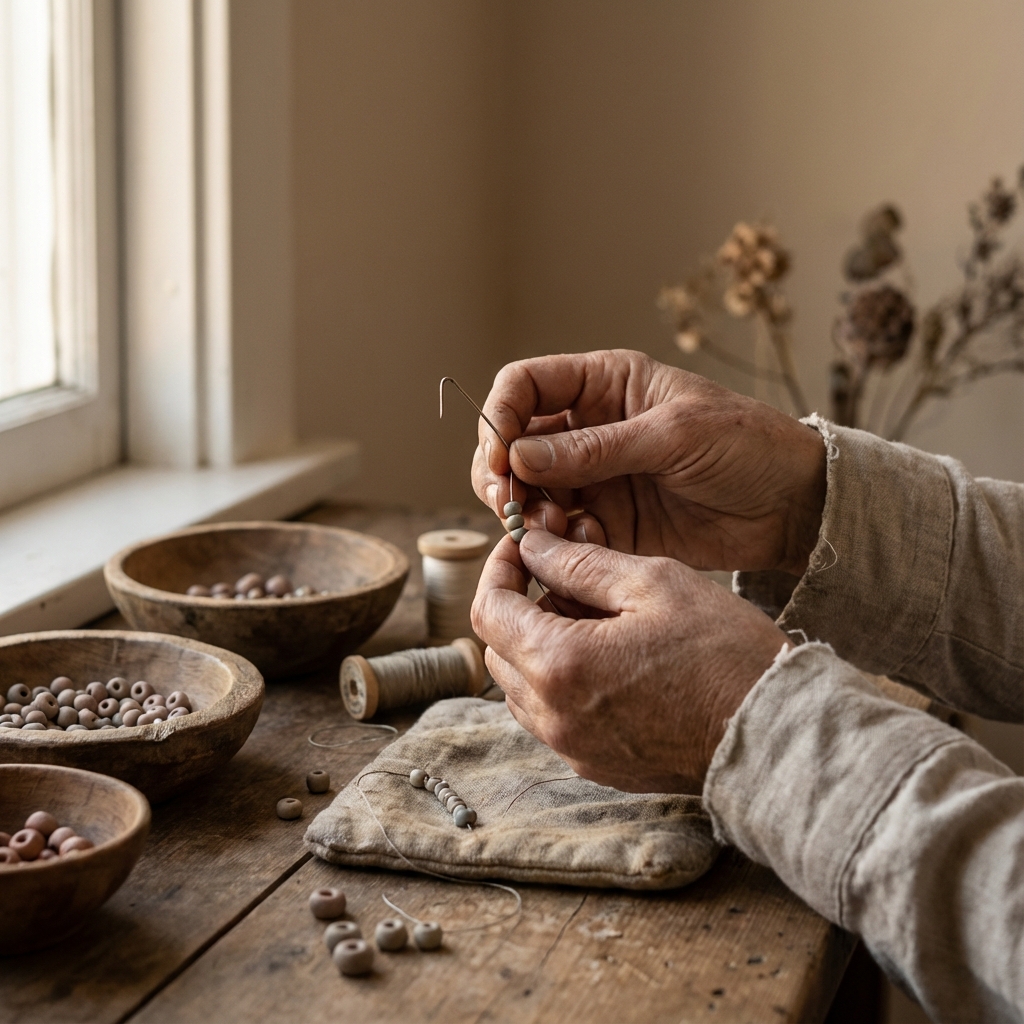
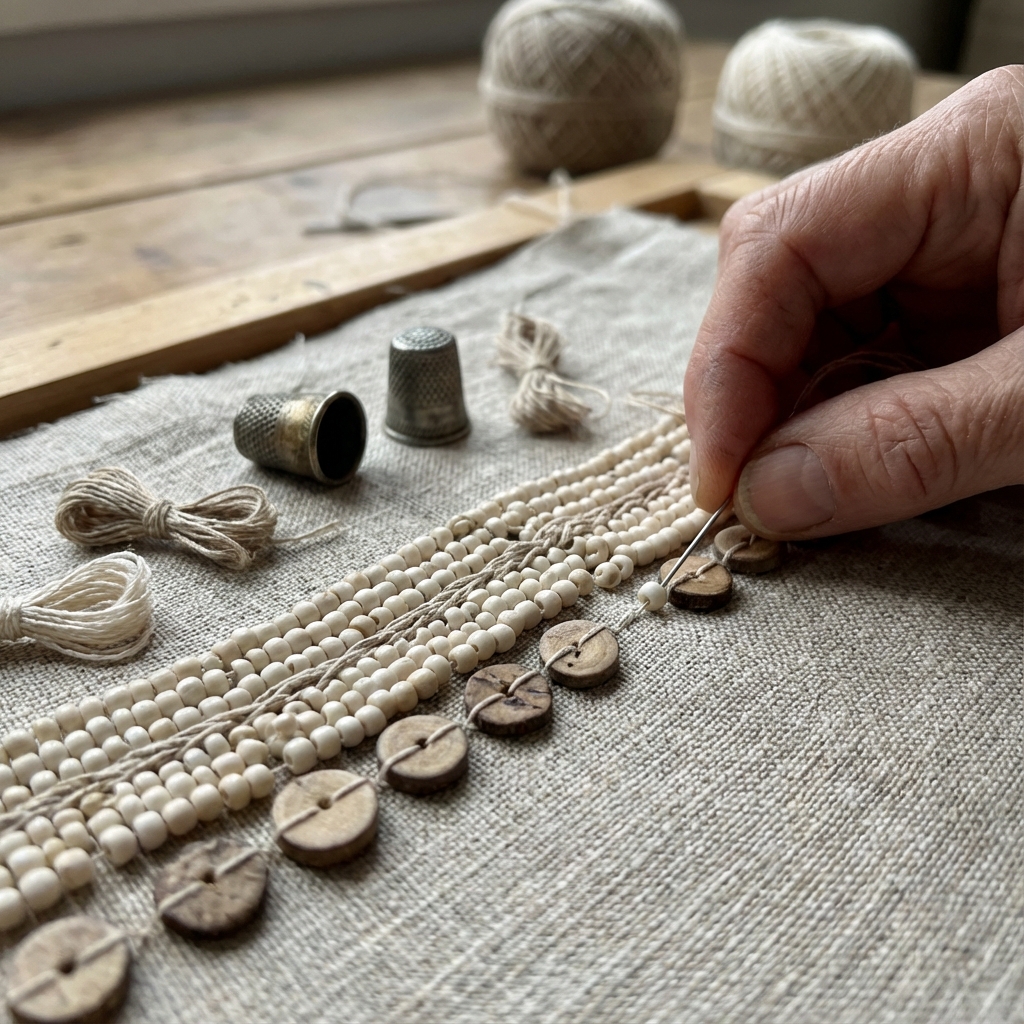
Here, time stretches rather than compresses. The pace is set not by deadlines or external demands, but by the materials themselves. Paint needs space to settle. Beads require steady hands and uninterrupted focus. Nothing meaningful happens all at once. Presence emerges gradually, built through repeated acts of attention.
Presence begins with noticing.
Noticing how the brush meets the surface. How pressure changes a line. How light shifts across a work throughout the day. Noticing when to pause instead of continue, when restraint carries more weight than action. These moments are subtle, often invisible, but they shape the work as surely as any deliberate gesture.
Slowness creates space for listening.
When the pace is unhurried, the body becomes attuned to small signals—fatigue, rhythm, intuition. Decisions arise from feeling as much as from thought. There is less forcing, less correcting, more allowing. The work unfolds as a collaboration between intention and attention.
This practice requires patience, and patience asks for trust. Trust that the piece will reveal itself in time. Trust that repetition is not stagnation, but deepening. Trust that presence—sustained over hours, days, or weeks—will leave its trace.
That trace remains in the finished work.
Viewers may not consciously name it, but they sense it. A calm held within the surface. A quiet confidence in restraint. An invitation to linger rather than consume. The work does not compete for attention; it offers a place to rest it.
In this way, presence moves beyond the studio. It becomes shared.
The artwork asks the viewer to slow down just enough to meet it where it is—to look closely, to notice texture, to feel time embedded in the surface. The experience is not immediate or loud. It unfolds gently, rewarding patience with connection.
Slowing down, practiced over time, becomes visible. It lives in the care of each decision, the balance of the composition, and the stillness that surrounds the work. Presence is no longer something the artist does—it is something the work holds.